

Dog Fulfillment: Why a “Tired Dog” Isn’t Always a Happy One
Dog Fulfillment: Why a “Tired Dog” Isn’t Always a Happy One
At DFW Critter Sitter, one of the most common things we hear from loving, well-intentioned dog parents is:
“We walk, we play, we try to wear them out… and nothing changes.”
Somewhere along the way, many of us were taught that a tired dog is a good dog.
But in reality, a tired dog is simply tired — and just like people, dogs who are exhausted without feeling fulfilled can become cranky, overstimulated, anxious, or unsettled.
A fulfilled dog, on the other hand, feels balanced. They can engage, decompress, and truly rest.
Fulfillment isn’t about doing more — it’s about meeting the right needs, in the right way.
The Five Pillars of a Fulfilled Dog
A truly content dog has five core needs met on a regular basis.
When even one pillar is missing, frustration builds — and that frustration often shows up as the behaviors we struggle with most.
1️⃣ Physical Exercise: Movement That Supports Regulation
Dogs need physical movement — but not endless intensity.
Exercise provides an outlet for excess energy, supports emotional regulation, and helps dogs feel grounded in their bodies. Many dogs, especially those with working or sporting backgrounds, are biologically designed to move. When movement is missing, energy builds and spills out as restlessness or impulsive behavior.
That said, more exercise isn’t always better. Constantly pushing distance, speed, or intensity can lead to overstimulation — or accidentally create endurance athletes who struggle to settle.
The goal is enough movement to take the edge off, not push dogs past their limits.
A well-exercised dog should be able to think clearly, engage calmly, and transition into rest.
2️⃣ Mental Stimulation: A Brain That Feels Useful
Mental fulfillment is often the missing piece — especially for intelligent or high-drive dogs.
Dogs are natural problem solvers. Their brains are constantly scanning for patterns, opportunities, and outcomes. Without appropriate mental outlets, that energy turns inward or spills out as destructive or anxious behavior.
Mental stimulation can include:
- Problem-solving activities
- Scent work and foraging
- Learning new skills or cues
- Body awareness and intentional movement
- Making choices instead of reacting on impulse
Using the brain doesn’t exhaust dogs — it satisfies them. Many dogs relax more deeply after mental enrichment than after physical exercise alone.


3️⃣ Connection: Feeling Seen, Safe, and Understood
Dogs are social beings. They don’t just need activity — they need meaningful connection.
Connection happens when time is intentional, present, and responsive. Walks, training, grooming, play, and even quiet moments build trust when we’re truly tuned in.
Affection plays a role too — but it looks different for every dog. Some crave cuddles, some prefer quiet companionship, and others need space. Learning how your dog prefers to connect — and honoring that — can dramatically reduce stress and anxiety.
Often, a few minutes of calm, undistracted togetherness does more for a dog’s nervous system than an hour of chaotic activity.
4️⃣ Play: Joy, Expression, and Emotional Release
Play isn’t optional — it’s essential.
Through play, dogs release stress, build confidence, practice communication, and experience joy. Healthy play allows dogs to express instincts in appropriate ways and strengthens the human-animal bond.
Play should match the individual dog — not just their breed label. Some love chase, others tug, some wrestle, some retrieve, and many simply enjoy goofy zoomies.
Equally important is how play ends. Helping dogs wind down — slowing movements, lowering intensity, and finishing on calm — teaches emotional regulation and prevents overstimulation. Dogs who learn to transition from excitement to calm carry that skill into everyday life.
5️⃣ Calm & Rest: The Skill That Makes Everything Stick
Calm is not automatic — it’s learned.
Many dogs struggle not because they’re under-exercised, but because they’ve never been taught how to rest. Dogs need significant downtime to reset their nervous systems:
- Adult dogs: 12–14 hours of rest per day
- Puppies: up to 18–19 hours
True rest requires low stimulation, limited movement, and a sense of safety. Without it, dogs pace, hover, chew, bark, or seek constant engagement instead of settling.
Practicing calm — through quiet spaces, structured rest, place work, or gentle confinement — gives dogs permission to disengage and recharge.
Fulfillment isn’t complete until dogs can truly relax.
At DFW Critter Sitter, we support healthy routines and provide dependable care when families need an extra set of trusted hands.
Call / Text 945-268-6668
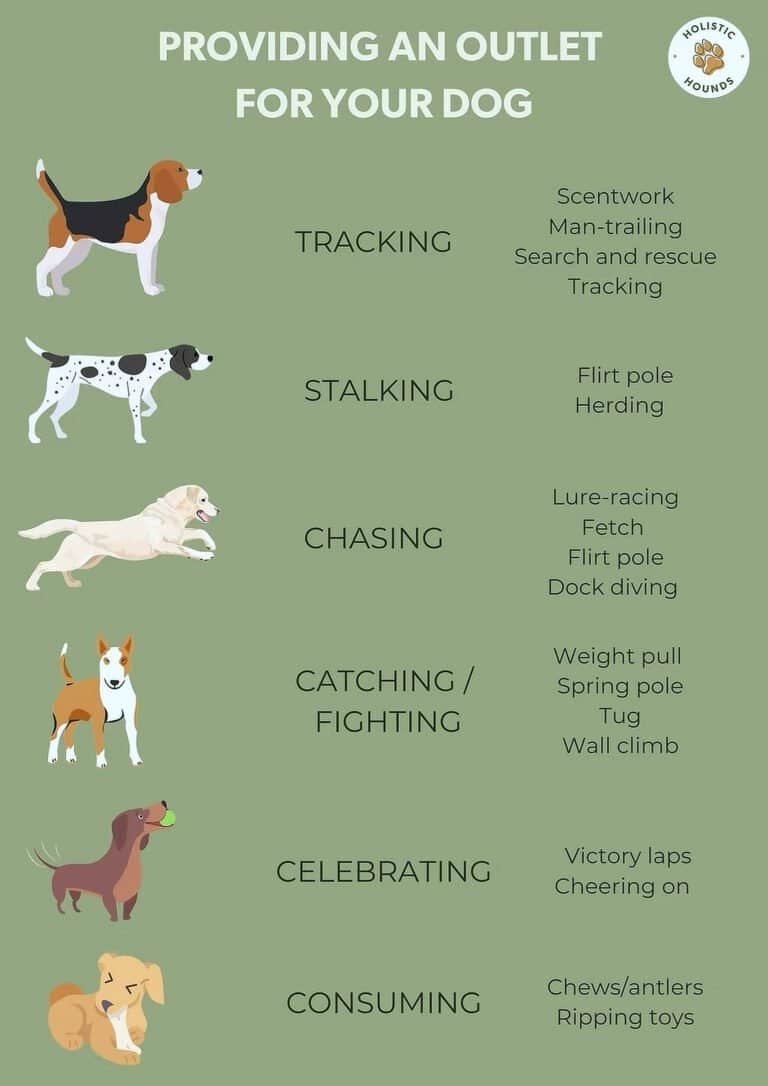
Biological & Breed-Specific Fulfillment: Honoring Instincts
Every dog has instincts shaped by genetics and history. When those instincts don’t have healthy outlets, dogs create their own — and those outlets often look like “problem behavior.”
- Herding dogs may chase or nip children or other animals
- Scent hounds may relentlessly track and steal food
- Retrievers may steal and carry items
- Bull-type breeds may mouth or wrestle excessively
These behaviors aren’t flaws — they’re unmet biological needs.
When dogs are allowed to engage in safe, appropriate versions of what their bodies and brains were designed to do, stress decreases and behavior improves naturally.
Fulfillment becomes preventative care.
Signs Your Dog May Be Unfulfilled
Sometimes dogs aren’t being difficult — they’re communicating.
☐ Restless even after long walks or vigorous play
☐ Excessive barking, whining, or pacing
☐ Destructive behaviors (chewing, digging, shredding)
☐ Jumping, mouthing, or difficulty settling
☐ Over-excitement during greetings or transitions
☐ Anxiety when left alone — or inability to relax when you’re home
☐ Constant attention-seeking or “velcro” behavior
☐ Reactivity that worsens over time
If several of these feel familiar, it may be time to adjust how your dog’s needs are being met — not just how often.
How DFW Critter Sitter Supports Whole-Dog Fulfillment
🐾 Drop-In & Enrichment Visits
Best for dogs who need routine, companionship, mental stimulation, and emotional regulation
Our Drop-In & Enrichment Visits are thoughtful and unrushed, combining comfort, connection, and purposeful engagement.
These visits may include:
- Decompression and nervous-system regulation
- Gentle enrichment, scent work, or foraging
- Biological outlets matched to the individual dog
- Meaningful connection and calm transitions
Ideal for dogs who spend part of the day alone, dogs who don’t benefit from “more exercise” alone, and dogs who need support settling and feeling balanced in their own space.
🐾 Purposeful Walks
Best for dogs with pent-up physical or environmental energy
These aren’t distance-based walks.
Our purposeful walks prioritize:
- Sniffing and exploration
- Engagement and biological fulfillment
- Regulated movement and nervous-system balance
We meet dogs where they are — allowing them to move, process, and settle naturally instead of rushing them through a route.
🐾 Home-Style Boarding
Best for dogs who thrive in calm, structured, home-like environments
Our small-scale boarding balances:
- Intentional activity and enrichment
- Rest and decompression
- Predictable routines
Dogs are supported in practicing calm, settling, and appropriate social skills — without the chaos or overwhelm of large facilities.
🐾 Day Play
Best for dogs who enjoy social interaction in small, thoughtful groups
Day Play at DFW Critter Sitter is:
- Enrichment-focused, not a free-for-all
- Intentionally structured for social balance
- Designed to support regulation — not hype
We help dogs practice social skills, emotional regulation, and the ability to settle, so they go home fulfilled — not fried.
Fulfillment Changes Everything
When dogs receive balanced fulfillment:
- Anxiety softens
- Destructive behaviors fade
- Reactivity improves
- Confidence grows
- Rest becomes easier
Fulfillment isn’t about doing more.
It’s about finally doing what actually works.
That philosophy is at the heart of everything we do at DFW Critter Sitter — because fulfilled dogs are calmer dogs, and calmer dogs are happier dogs. 🐾💚
A Personal Note From Me and My Husky
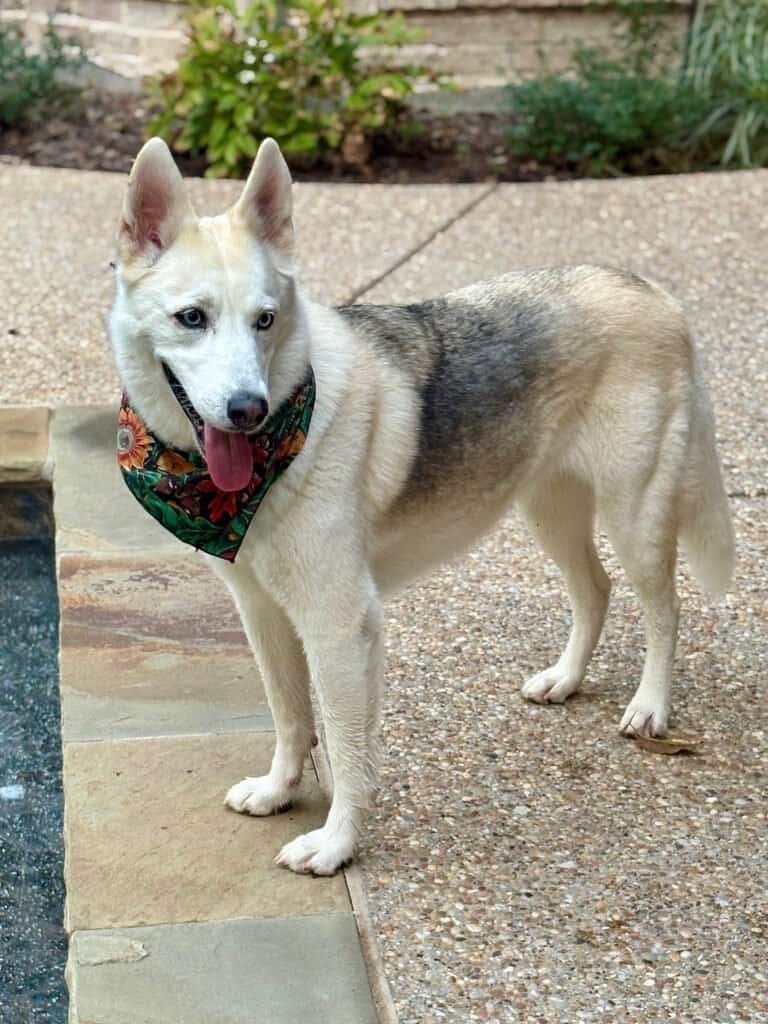
Living with an active, high-drive, incredibly intelligent husky taught me this lesson firsthand.
At first, I did what most people do — longer walks, dog park visits, and pouring more and more effort into trying to “wear her out.” Honestly? It barely helped. If anything, it just built stamina. She had no off switch, and the destructive behaviors were still there.
It wasn’t until I started researching and intentionally adding mental challenges and play that satisfied her natural drives that I saw a real change.
Some of our favorite activities include basic obedience and occasional tricks, taking breaks on walks to sit and observe the world, flirt pole, lots of tug, and her favorite — hide and seek. Most nights also end with grooming and somatic exercises. I plan to start incorporating more scent work and potentially Fast CAT or pulling-based activities soon.
— Angie & Marlo
Fulfillment creates calmer dogs.
Calmer dogs create happier homes.
📍 dfwcrittersitter.com
📞 945-268-6668
🐾 Book care that meets the whole dog





Celebrating Senior Pet Month: How to Support Your Aging Best Friend at Home & Through Proper Grooming
Celebrate Senior Pet Month with essential home setup tips, grooming guidance, and comfort-focused care strategies to support aging dogs and cats. Learn how DFW Critter Sitter helps senior pets stay healthy, safe, and happy in North Texas.





 angie@dfwcrittersitter.com