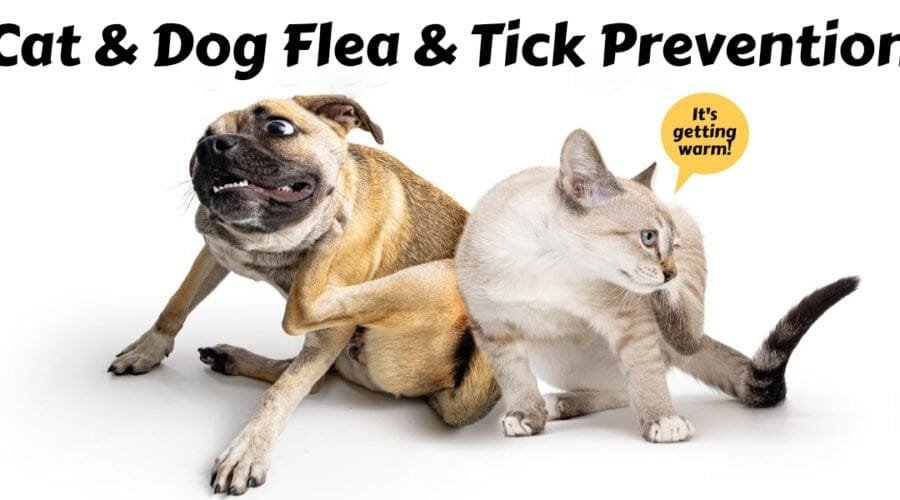
Fleas & Ticks in Texas: The Reality (and How We Handle It at DFW Critter Sitter)
If you’ve lived in Texas for more than five minutes, you already know—fleas and ticks are just part of life here. Not the fun part… but a very real one.
At DFW Critter Sitter, we see it every single season. A perfectly clean home, a well-loved dog, and suddenly—itching, scratching, and the dreaded “Is that a flea?!”
Here’s the truth:
It’s not about if—it’s about how quickly you respond and how consistent you stay.
Why Texas Is Basically Flea Paradise 🐜
North Texas creates the perfect storm for parasites:
- Long warm seasons
- Mild winters (no true “reset”)
- Humidity + shaded yards = ideal breeding zones
Backed by Texas Data:
- Fleas thrive in temps 75–85°F with high humidity (75–90%)—conditions Texas regularly hits
- The flea life cycle can complete in as little as 3 weeks in these conditions
- Fleas remain active year-round in Texas, not just summer
- The cat flea (Ctenocephalides felis) causes the majority of infestations in Texas homes and pets
And here’s the kicker…
Fleas don’t just live on pets—they thrive in carpets, bedding, and furniture
Translation:
You’re not just treating your dog—you’re treating your entire environment.
Texas Wildlife Makes It Worse
Even if your pet never leaves your yard…
- Wildlife like opossums, raccoons, and rodents constantly bring fleas into residential areas
- Fleas can hitch rides on clothing, shoes, and gear
That’s why we see infestations in:
- Clean homes
- Indoor pets
- First-time pet owners
It’s not about being “dirty”—it’s just Texas.
It’s Not Just Annoying—It Can Get Serious
Fleas and ticks aren’t just itchy—they carry real risks.
For Pets:
- Flea allergies (intense itching + skin damage)
- Tapeworm transmission
- Secondary infections from scratching
- Severe infestations can even cause anemia in vulnerable pets
For Humans (Yes, really):
- Texas leads the U.S. in flea-borne typhus cases
- Over 6,700 cases reported (2008–2023)
- About 70% required hospitalization 😳
That’s not meant to scare you—but it is why prevention matters.
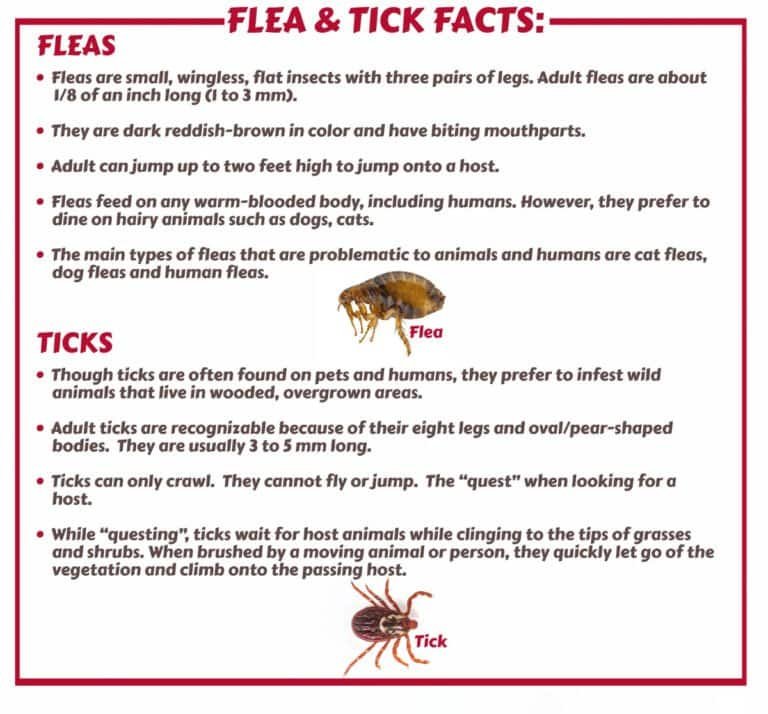
Ticks in Texas: The Quiet Problem
Ticks don’t get talked about as much—but they should.
- They stay active even in winter during warm spells
- They hide in grass, leaf litter, and shaded areas
- They carry diseases like:
- Lyme disease
- Ehrlichiosis
- Rocky Mountain spotted fever
And unlike fleas…
You often don’t notice ticks until they’re already attached.
What We See All The Time (Real-Life DFW Experience)
Most infestations we help with start like this:
- A park visit
- A grooming cycle gap
- Seasonal coat blow (👀 huskies… we’re looking at you)
- Or just one unlucky exposure
And within 2–3 weeks, it’s a full-blown problem (thanks to that fast life cycle).
🐾 Quick Reality Check Before You Dive In
If you’re reading this because you’re currently in the middle of a flea situation—we’ve got you. Keep going, this plan will walk you through exactly what to do.
But… if you’re one of the champions who has kept your pets on consistent preventative and you’re not dealing with fleas right now?
Honestly—pause right here.
Give yourself a well-earned pat on the back 👏
That consistency is exactly what prevents everything you just read about.
You can absolutely save the rest of this for:
- A rainy day
- A future “just in case” moment
- Or that friend who texts you “I think my dog has fleas…” 😅
Quick note (just to stay ahead of things):
Even with great prevention, it’s still smart to do a quick check now and then—especially during peak Texas seasons.
You may hear some chatter this year about Bravecto “not working.” There’s no solid evidence of widespread resistance to newer oral preventatives, but in real life some people are seeing breakthrough cases—usually from heavy infestations, missed doses, or ongoing environmental exposure.
Think of preventatives as strong protection… not a guarantee.
Either way—you’re doing it right.
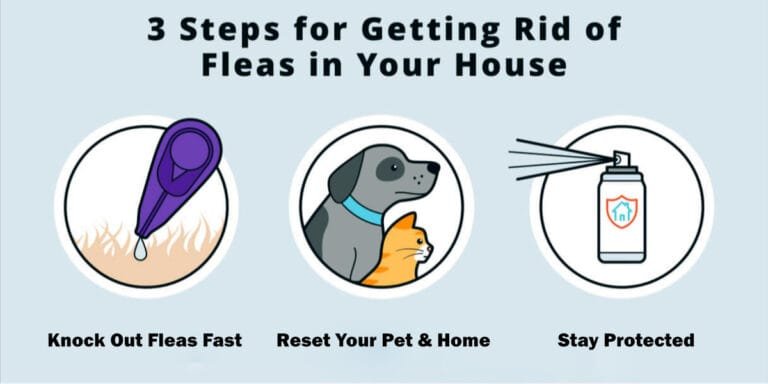
The DFW Critter Sitter Flea Plan (Simple + Effective)
We keep this realistic and doable for our clients.
Step 1: Knock Them Out FAST
Use Capstar (or generic CapAction)
- Give to all pets at the same time
- Starts killing fleas within 30 minutes
- Use 2–3 doses
This is your immediate relief step.
Step 2: Reset Your Pet + Your Home
This is where most people either win… or restart the cycle.
🛁 Bathe Your Pet
- Use a flea shampoo
- Brush before & after
🏠 Treat Your Environment
- Spray or flea bombs
- Wash all fabrics
- Vacuum thoroughly
Because:
Most of the flea population lives OFF your pet
Step 3: Stay Protected (This Is the Game-Changer)
- Monthly preventative (ex: NexGard Plus)
- Treat every pet
- Maintain your home during peak months
Consistency > everything
Indoor Pets Aren’t Safe (Sorry 😅)
Even indoor pets can get fleas because:
- They hitch rides on you
- They enter through other animals
- They settle into carpets and furniture
🛒 Recommended Flea Management Products (Affiliate Picks)
(These are products we trust and commonly recommend. Always consult your vet for Ongoing Prevention)
Immediate relief
Home & Environment
Grooming Support
Note: Your ongoing monthly prevention NexGard or Simparica is best acquired with a prescription through your vet. Shot clinics & pop ups like TCAP & Low Cost Pet Vax also provide options to purchase on site often at discounted rates.

Final Word From DFW Critter Sitter 🐾
Fleas & ticks in Texas don’t mean you did something wrong.
They mean:
- You live in the South
- You have a pet
- And nature did its thing
What matters is:
- Acting quickly
- Treating completely
- Staying consistent
If you ever feel overwhelmed with it—that’s literally what we’re here for.
Because your pets deserve to be comfortable…
and your home should feel like home—not a battleground.
—
DFW Critter Sitter
Real care. Real life. Real solutions
📍 dfwcrittersitter.com
📞 945-268-6668
📚 Sources & References
- Centers for Disease Control and Prevention (CDC) – Flea-borne typhus data and parasite transmission
- Texas Department of State Health Services – Regional typhus and vector data
- Companion Animal Parasite Council – Parasite prevalence and prevention recommendations
- American Veterinary Medical Association – Flea lifecycle and pet health risks
- Merck Veterinary Manual – Flea biology and treatment guidance
- Dryden, M.W. (Veterinary Parasitology Studies) – Flea lifecycle timing and environmental control
Pet Dental Health Month
🦷 Pet Dental Health Month🦷
😸 Protecting Your Dog & Cat’s Health Starts With Their Smile 🐶
February is Pet Dental Health Month, and at DFW Critter Sitter, this is one of our favorite wellness topics to talk about — because dental health is deeply connected to your pet’s comfort, mood, and long-term health.
Many loving pet parents don’t realize that dental disease is one of the most common medical conditions affecting both dogs and cats — and it often develops silently.
Let’s walk through why dental care matters, what warning signs to watch for, and the safest ways to support your pet’s oral health.
Why Pet Dental Health Matters More Than You Think
Dental disease isn’t just about bad breath.
When plaque and tartar accumulate, bacteria can spread below the gum line and enter the bloodstream. Over time, this may impact major organs and cause chronic discomfort.
Poor dental health may contribute to:
- Mouth pain & inflammation
- Tooth loss
- Bad breath
- Reduced appetite
- Behavioral changes
- Heart, liver, and kidney stress
Because pets instinctively hide pain, symptoms often appear later than you’d expect.

🐶 Dental Issues Commonly Seen in Dogs
Dogs frequently experience:
- Tartar buildup
- Gum inflammation (gingivitis)
- Cracked or damaged teeth
- Periodontal disease
Possible warning signs:
✓ Persistent bad breath
✓ Drooling
✓ Difficulty chewing
✓ Pawing at the mouth
✓ Decreased toy interest
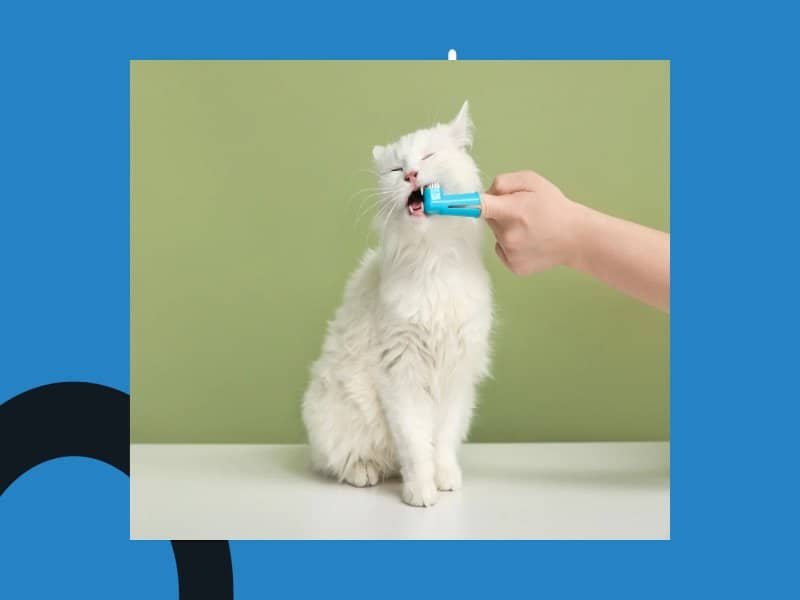
🐱 Dental Health in Cats (Often Underestimated)
Cats are extremely prone to dental problems — especially conditions that are invisible without a veterinary exam.
Common feline concerns include:
- Gingivitis
- Tooth resorption
- Stomatitis
- Hidden infections
Subtle signs may include:
✓ Eating slower or differently
✓ Avoiding crunchy food
✓ Irritability
✓ Withdrawal
✓ Reduced grooming
Cats rarely “complain,” which makes prevention especially important.
🦷 Professional Dental Care Options
There is no single solution for every pet. The best approach depends on your pet’s age, comfort level, and degree of buildup.
✔️ Veterinary Anesthesia Dental Cleaning
(Comprehensive & Diagnostic)
This is the most thorough option and the medical gold standard.
Typically includes:
- Complete oral exam
- Dental X-rays
- Cleaning above & below the gum line
- Treatment of diseased teeth
Best suited for:
✓ Moderate to heavy tartar
✓ Suspected dental disease
✓ Cats (high hidden risk)
✓ Long-term oral health management
Modern veterinary anesthesia is professionally monitored and extremely safe.
✔️ Non-Anesthesia Dental Cleaning
(Surface Maintenance Option)
Performed while pets are awake.
May help with:
- Mild plaque buildup
- Cosmetic appearance
- Breath improvement
Important to understand:
✖ Does not treat below the gum line
✖ Cannot diagnose hidden disease
✖ Not appropriate for all pets
This works best as a maintenance tool, not a replacement for veterinary care when disease is present.
✔️ Preventative Home Dental Care
(Most Powerful Daily Habit)
Routine home care can dramatically slow dental disease progression.
Helpful tools include:
- Tooth brushing
- Dental chews
- Oral rinses
- Water additives
- Dental-supportive diets
Consistency matters far more than perfection.
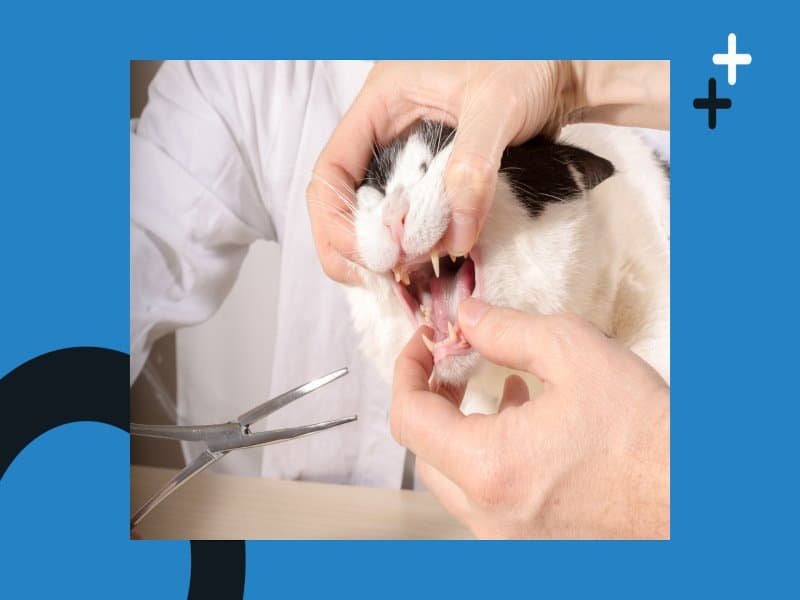
🪥 How To Brush Your Pet’s Teeth at Home
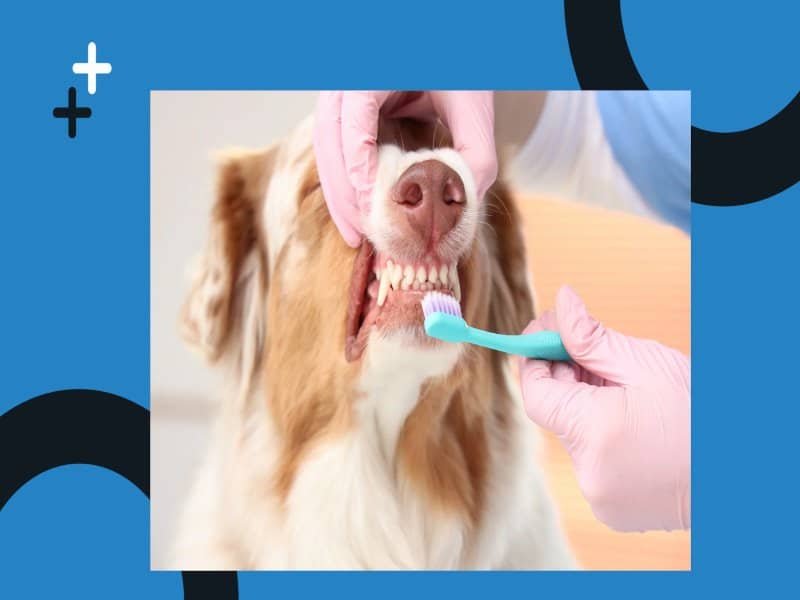
Brushing is the single most effective way to protect your pet’s oral health — and most pets can learn to tolerate it with gentle, positive practice.
✔️ Step 1: Introduce Slowly
Let your pet sniff the toothbrush and taste pet-safe toothpaste.
Keep it calm, brief, and pressure-free.
✔️ Step 2: Lift the Lip Gently
Focus on the outer surfaces of the teeth.
No need to force the mouth open.
✔️ Step 3: Use Soft Circular Motions
Angle toward the gum line using light pressure.
Even short sessions are beneficial.
✔️ Step 4: End Positively
Praise + treat = long-term cooperation.
✔️ Step 5: Stay Consistent
Daily is always ideal, but brushing a few times weekly still provides major benefits.
(Don’t forget yearly professional cleanings !)
⚠️ Safety Reminders
🚫 Never use human toothpaste
🚫 Avoid force or stress
🚫 Stop if discomfort appears
If brushing seems painful, schedule a dental exam.
⭐ DFW Critter Sitter Recommended Dental Products
Mighty Paw Yak Cheese Chews for Dogs
Healthy, long-lasting chews made in Nepal from just yak & cow milk, salt, and lime juice. Lactose-free, grain-free, preservative-free and rich in protein and calcium for muscle and bone health. Hard texture provides a long-lasting chew and promotes oral health by reducing tartar and plaque.
🛒 Buy on AmazonBarkley's Bag Beef Marrow Bones
Frozen center cut beef marrow bones, 4 bones per bag (approx. 2 lbs), offering a natural raw chew dogs crave. Made from 100% beef marrow with no fillers, these bones provide calcium and nutrients while reducing plaque and keeping dogs engaged. Always supervise and keep frozen until serving.
🛒 Buy on AmazonProden PlaqueOff Dental Care for Dogs and Cats
Natural seaweed supplement that helps reduce plaque and tartar buildup, freshens breath, and supports dental hygiene. Works from within via saliva, is easy to use, and contains no artificial flavors or additives. Not recommended for pets with thyroid conditions.
🛒 Buy on AmazonPet King Brands ZYMOX Oratene Brushless Toothpaste Gel for Dogs and Cats
Pleasant-flavored clear gel that keeps teeth & gums clean and fresh. Apply with a toothbrush or finger—no brushing or rinsing needed. Non-drying, chemical-free, and safe for daily use to support normal oral hygiene.
🛒 Buy on AmazonPet King Brands ZYMOX Oratene Enzymatic Brushless Oral Care Water Additive
Flavorless water additive that freshens breath, removes plaque, and supports oral hygiene for dogs & cats. Easy daily use in drinking water, safe for pets, and helps reduce the risk of future dental issues.
🛒 Buy on AmazonProDen PlaqueOff Powder for Cats - Plaque & Tartar Reducer, Breath Freshener, Feline Oral Care
Palatable seaweed powder that reduces plaque and tartar buildup in cats and dogs. Easier than brushing, helps freshen breath, and promotes healthy oral hygiene. Safe and effective for daily use, not recommended for pets with thyroid issues.
🛒 Buy on AmazonAs an Amazon Associate, DFW Critter Sitter earns a small percentage from these Qualifying Purchases
and your help is greatly appreciated!
📍 dfwcrittersitter.com
📞 945-268-6668



Celebrating Senior Pet Month: How to Support Your Aging Best Friend at Home & Through Proper Grooming
Celebrate Senior Pet Month with essential home setup tips, grooming guidance, and comfort-focused care strategies to support aging dogs and cats. Learn how DFW Critter Sitter helps senior pets stay healthy, safe, and happy in North Texas.