Fleas & Ticks in Texas: The Reality (and How We Handle It at DFW Critter Sitter)
If you’ve lived in Texas for more than five minutes, you already know—fleas and ticks are just part of life here. Not the fun part… but a very real one.
At DFW Critter Sitter, we see it every single season. A perfectly clean home, a well-loved dog, and suddenly—itching, scratching, and the dreaded “Is that a flea?!”
Here’s the truth:
It’s not about if—it’s about how quickly you respond and how consistent you stay.
Why Texas Is Basically Flea Paradise 🐜
North Texas creates the perfect storm for parasites:
- Long warm seasons
- Mild winters (no true “reset”)
- Humidity + shaded yards = ideal breeding zones
Backed by Texas Data:
- Fleas thrive in temps 75–85°F with high humidity (75–90%)—conditions Texas regularly hits
- The flea life cycle can complete in as little as 3 weeks in these conditions
- Fleas remain active year-round in Texas, not just summer
- The cat flea (Ctenocephalides felis) causes the majority of infestations in Texas homes and pets
And here’s the kicker…
Fleas don’t just live on pets—they thrive in carpets, bedding, and furniture
Translation:
You’re not just treating your dog—you’re treating your entire environment.
Texas Wildlife Makes It Worse
Even if your pet never leaves your yard…
- Wildlife like opossums, raccoons, and rodents constantly bring fleas into residential areas
- Fleas can hitch rides on clothing, shoes, and gear
That’s why we see infestations in:
- Clean homes
- Indoor pets
- First-time pet owners
It’s not about being “dirty”—it’s just Texas.
It’s Not Just Annoying—It Can Get Serious
Fleas and ticks aren’t just itchy—they carry real risks.
For Pets:
- Flea allergies (intense itching + skin damage)
- Tapeworm transmission
- Secondary infections from scratching
- Severe infestations can even cause anemia in vulnerable pets
For Humans (Yes, really):
- Texas leads the U.S. in flea-borne typhus cases
- Over 6,700 cases reported (2008–2023)
- About 70% required hospitalization 😳
That’s not meant to scare you—but it is why prevention matters.
Ticks in Texas: The Quiet Problem
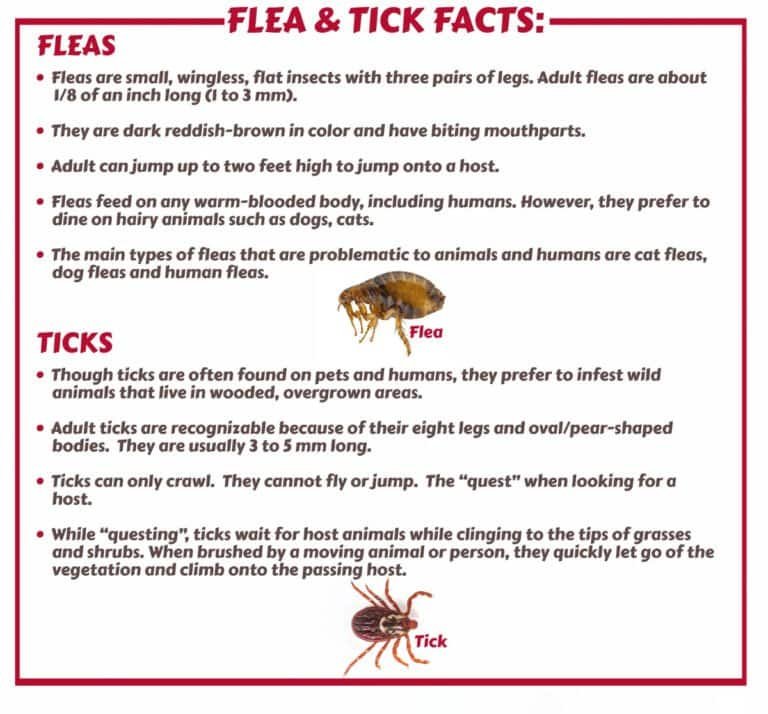
Ticks don’t get talked about as much—but they should.
- They stay active even in winter during warm spells
- They hide in grass, leaf litter, and shaded areas
- They carry diseases like:
- Lyme disease
- Ehrlichiosis
- Rocky Mountain spotted fever
And unlike fleas…
You often don’t notice ticks until they’re already attached.
What We See All The Time (Real-Life DFW Experience)
Most infestations we help with start like this:
- A park visit
- A grooming cycle gap
- Seasonal coat blow (👀 huskies… we’re looking at you)
- Or just one unlucky exposure
And within 2–3 weeks, it’s a full-blown problem (thanks to that fast life cycle).
🐾 Quick Reality Check Before You Dive In
If you’re reading this because you’re currently in the middle of a flea situation—we’ve got you. Keep going, this plan will walk you through exactly what to do.
But… if you’re one of the champions who has kept your pets on consistent preventative and you’re not dealing with fleas right now?
Honestly—pause right here.
Give yourself a well-earned pat on the back 👏
That consistency is exactly what prevents everything you just read about.
You can absolutely save the rest of this for:
- A rainy day
- A future “just in case” moment
- Or that friend who texts you “I think my dog has fleas…” 😅
Quick note (just to stay ahead of things):
Even with great prevention, it’s still smart to do a quick check now and then—especially during peak Texas seasons.
You may hear some chatter this year about Bravecto “not working.” There’s no solid evidence of widespread resistance to newer oral preventatives, but in real life some people are seeing breakthrough cases—usually from heavy infestations, missed doses, or ongoing environmental exposure.
Think of preventatives as strong protection… not a guarantee.
Either way—you’re doing it right.
The DFW Critter Sitter Flea Plan (Simple + Effective)
We keep this realistic and doable for our clients.
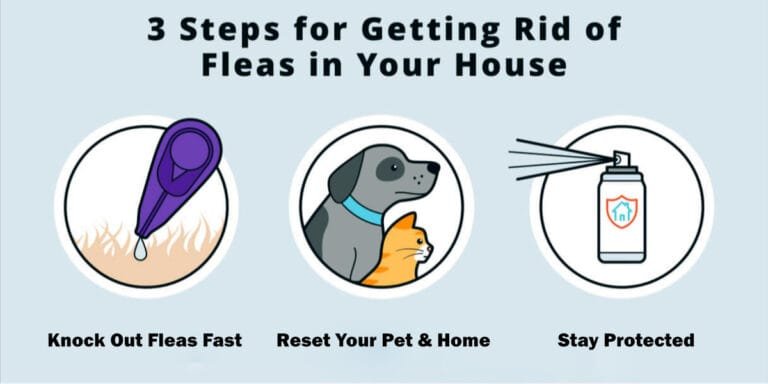
Step 1: Knock Them Out FAST
Use Capstar (or generic CapAction)
- Give to all pets at the same time
- Starts killing fleas within 30 minutes
- Use 2–3 doses
This is your immediate relief step.
Step 2: Reset Your Pet + Your Home
This is where most people either win… or restart the cycle.
🛁 Bathe Your Pet
- Use a flea shampoo
- Brush before & after
🏠 Treat Your Environment
- Spray or flea bombs
- Wash all fabrics
- Vacuum thoroughly
Because:
Most of the flea population lives OFF your pet
Step 3: Stay Protected (This Is the Game-Changer)
- Monthly preventative (ex: NexGard Plus)
- Treat every pet
- Maintain your home during peak months
Consistency > everything
Indoor Pets Aren’t Safe (Sorry 😅)
Even indoor pets can get fleas because:
- They hitch rides on you
- They enter through other animals
- They settle into carpets and furniture
🛒 Recommended Flea Management Products (Affiliate Picks)
(These are products we trust and commonly recommend. Always consult your vet for Ongoing Prevention)
Immediate relief
Home & Environment
Grooming Support
Note: Your ongoing monthly prevention NexGard or Simparica is best acquired with a prescription through your vet. Shot clinics & pop ups like TCAP & Low Cost Pet Vax also provide options to purchase on site often at discounted rates.

Final Word From DFW Critter Sitter 🐾
Fleas & ticks in Texas don’t mean you did something wrong.
They mean:
- You live in the South
- You have a pet
- And nature did its thing
What matters is:
- Acting quickly
- Treating completely
- Staying consistent
If you ever feel overwhelmed with it—that’s literally what we’re here for.
Because your pets deserve to be comfortable…
and your home should feel like home—not a battleground.
—
DFW Critter Sitter
Real care. Real life. Real solutions
📍 dfwcrittersitter.com
📞 945-268-6668
📚 Sources & References
- Centers for Disease Control and Prevention (CDC) – Flea-borne typhus data and parasite transmission
- Texas Department of State Health Services – Regional typhus and vector data
- Companion Animal Parasite Council – Parasite prevalence and prevention recommendations
- American Veterinary Medical Association – Flea lifecycle and pet health risks
- Merck Veterinary Manual – Flea biology and treatment guidance
- Dryden, M.W. (Veterinary Parasitology Studies) – Flea lifecycle timing and environmental control